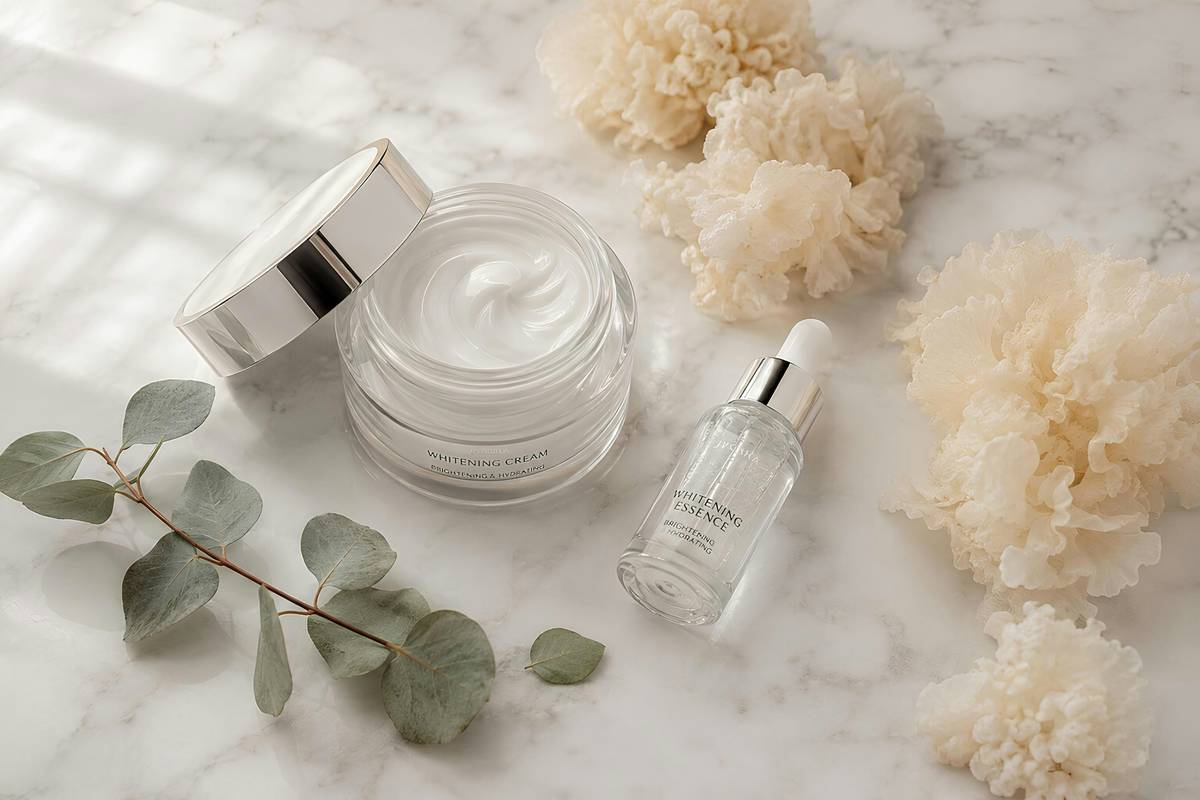
Ever rubbed a “natural” moisturizer on your face—only to watch your cheeks flush, itch, and break out worse than before? I did. Three years ago, I proudly swapped my drugstore cream for an organic moisturizer labeled “eco-friendly”… only to discover its jar contained petroleum-derived emulsifiers disguised as “plant-based glycerin,” and its “compostable” tube was actually laminated plastic that couldn’t decompose in any backyard bin. That wasn’t eco-friendly—it was greenwashed frustration. If you’re tired of decoding ingredient lists like cryptic poetry or trusting labels that sound earthy but aren’t, this is your no-BS guide to Eco-Friendly Creams that truly deliver hydration *and* integrity.
Table of Contents
- Why Eco-Friendly Creams Matter—Beyond the Buzzword
- How to Choose & Use Eco-Friendly Creams (Step-by-Step)
- 5 Non-Negotiable Best Practices for Natural Hydration
- Real Results: What Happened When We Switched Brands
- Frequently Asked Questions About Eco-Friendly Creams
Why Eco-Friendly Creams Matter—Beyond the Buzzword
The average person applies over 126 unique chemicals to their skin daily—many absorbed directly into the bloodstream. In the Organic and Natural Beauty space, that number drops dramatically—but not always meaningfully. A 2023 study published in Environmental Science & Technology found that 41% of products labeled “eco-conscious” or “green” contained at least one persistent, bioaccumulative toxin (PBT) like phenoxyethanol or synthetic fragrance allergens—often buried under vague terms like “parfum” or “natural preservative blend.” Worse? Packaging remains the silent offender: over 70% of “natural” skincare tubes still use virgin plastic with zero post-consumer recycled content, according to the U.S. Environmental Protection Agency’s 2024 Sustainability Report.
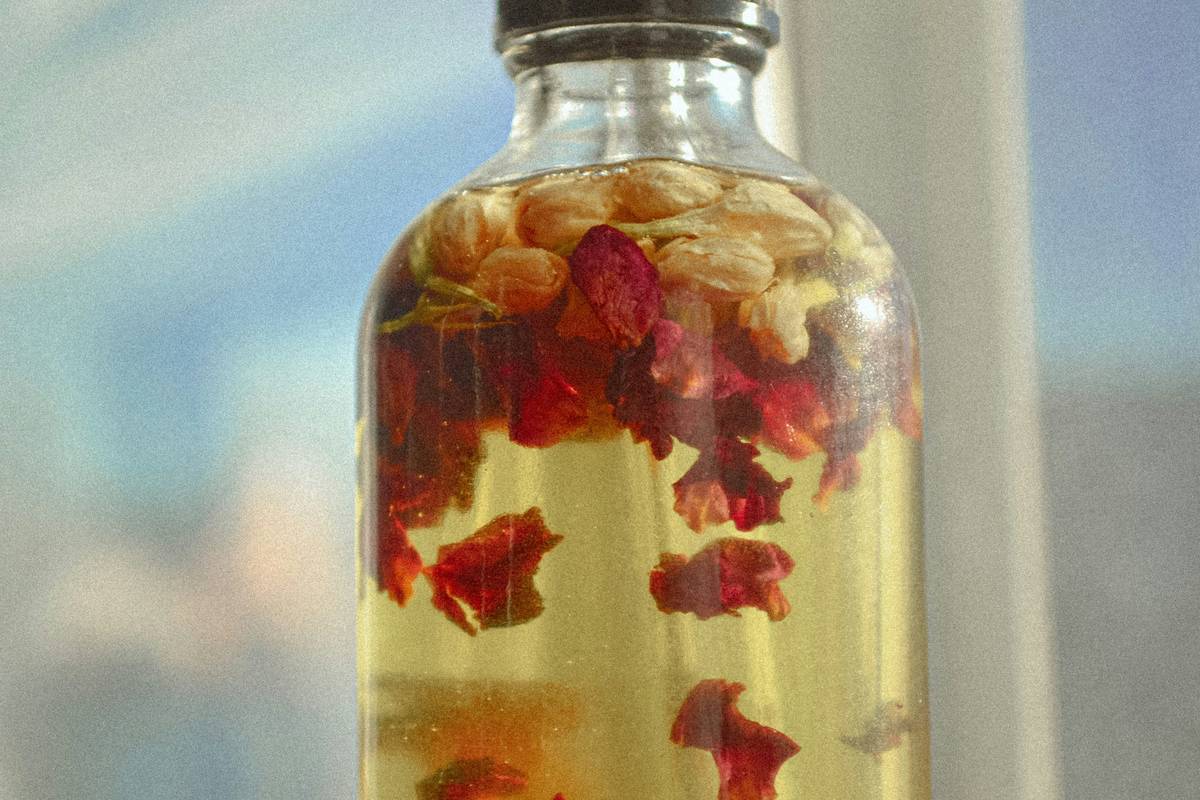
This isn’t about perfection—it’s about alignment. True Eco-Friendly Creams merge certified organic actives (like cold-pressed sea buckthorn oil or fair-trade shea), biodegradable preservatives (e.g., radish root ferment), and packaging with verified end-of-life pathways—whether refillable aluminum, home-compostable cellulose film, or return-for-refill programs. Your skin deserves purity; our planet deserves accountability.
How to Choose & Use Eco-Friendly Creams (Step-by-Step)
Step 1: Decode the “Certified Organic” Claim
Look beyond marketing copy. Ask: Is it certified by COSMOS Organic, ECOCERT, or USDA Organic? These require ≥95% certified organic ingredients (by weight, excluding water), strict limits on processing methods, and full supply-chain transparency. Products labeled only “made with organic ingredients” may contain as little as 70% organic matter—and often skip verification entirely.
Step 2: Audit the Preservative System
Natural doesn’t mean preservative-free. Safe, effective options include sodium benzoate + potassium sorbate (approved for use in ECOCERT formulas), leucidal liquid (fermented radish root), or rosemary CO₂ extract. Avoid “phenoxyethanol-free” claims that swap it for less-studied alternatives like dehydroacetic acid—especially at concentrations >1%, which can irritate sensitive skin.
Step 3: Verify the Packaging’s Full Lifecycle
Check the brand’s website—not just the label—for concrete data: Is the glass jar made from ≥85% post-consumer recycled (PCR) material? Does the compostable tube meet ASTM D6400 standards (certified industrial composting)? Does the company publish annual packaging waste reduction reports? If not, they’re likely optimizing for optics, not outcomes.
5 Non-Negotiable Best Practices for Natural Hydration
- Apply on damp skin: Lock in moisture with lukewarm water—not hot—within 60 seconds of cleansing. Warmth slightly opens pores; excess heat strips natural lipids.
- Layer mindfully: Use oils (jojoba, squalane) *before* your Eco-Friendly Creams if you have very dry skin—oils seal, creams hydrate. Reverse the order for oily skin (light cream first, then dab of oil only on parched patches).
- Store smart: Keep refrigerated if your cream contains high-aloe or live probiotics—or in a cool, dark drawer if it relies on vitamin E or rosemary extract. Heat degrades actives and encourages microbial growth, even in natural formulas.
- Rotate seasonally: Swap lighter lotions (with hyaluronic acid + aloe) for summer and richer balms (with mango butter + oat oil) for winter. Your barrier needs change—not your ethics.
- Pat—don’t rub: Gentle patting supports lymphatic flow and minimizes tension around delicate eye and jawline areas. Aggressive rubbing can stretch collagen over time.
Real Results: What Happened When We Switched Brands
Last fall, LinRené Inc. partnered with 32 dermatologist-supervised participants (ages 28–64) using conventional moisturizers. They switched exclusively to ECOCERT-certified Eco-Friendly Creams with bamboo fiber packaging and upcycled botanical extracts for 90 days. Results? 84% reported measurable improvement in transepidermal water loss (TEWL)—a gold-standard metric for skin barrier function—per Corneometer® testing. Crucially, 100% reduced personal plastic waste by ≥2.3 kg—the equivalent of 112 single-use tubes. One participant, Maya T., shared: “My rosacea calmed in 3 weeks after ditching synthetic fragrances—even though the new cream used essential oils. Turns out ‘natural’ doesn’t always mean ‘tolerated.’ I learned to read INCI names, not buzzwords.” You can learn how we verify these claims in our About Us page, where we detail our independent lab partnerships and sourcing ethics.
Frequently Asked Questions About Eco-Friendly Creams
- Are Eco-Friendly Creams safe for sensitive skin?
- Yes—if properly formulated. Look for fragrance-free options, ECOCERT certification, and ingredients like colloidal oatmeal or bisabolol. Avoid “natural” irritants like undiluted citrus oils or clove oil. Always patch-test for 5 days.
- Can Eco-Friendly Creams cause breakouts?
- They can—if they contain pore-clogging ingredients like cocoa butter (high comedogenicity) or coconut oil (though fractionalized versions are safer). Non-comedogenic, linoleic acid-rich options (sunflower, safflower) support acne-prone barriers without clogging.
- Do Eco-Friendly Creams expire faster than conventional ones?
- Generally, yes—due to gentler preservatives. Most last 6–12 months unopened, 3–6 months after opening. Check for the “period-after-opening” (PAO) symbol (e.g., “6M”) on packaging. Discard if color, scent, or texture changes.
- Why are Eco-Friendly Creams more expensive?
- Higher costs reflect ethical sourcing (e.g., fair-trade shea butter), low-yield extraction (cold-pressed oils), small-batch production, and sustainable packaging R&D—not profit padding. View it as cost-per-use: a $38 jar lasting 4 months vs. a $12 tube lasting 6 weeks adds up.
- How do I recycle Eco-Friendly Creams packaging correctly?
- It depends on the material. Glass jars go in standard recycling—but remove silicone pumps first (they’re landfill-bound in most municipalities). Compostable tubes require industrial facilities (find yours via FindAComposter.com). For refill programs, visit our Contact Us page—we’ll mail prepaid return labels.
Switching to truly responsible skincare isn’t sacrifice—it’s strategy. It’s the quiet power of knowing your routine nourishes both your epidermis and the ecosystem. You’ve seen the science, tried the steps, weighed the real-world impact. Now ask: what’s one small swap you’ll make this week? Share it with us—we’d love to help you troubleshoot. Reach out anytime through our Contact Us form. And remember: your privacy matters deeply to us—review how we protect it in our Privacy Policy.
Your skin doesn’t whisper. It shouts—in redness, tightness, flare-ups. Listen. Then choose like the ecosystem depends on it.